
Services
Our Services
We offer a wide variety of eye care services to both locations. Contact us with any questions about our services.

Comprehensive Vision Care
Routine eye exams are a vital aspect of preventive eye care. Without routine eye exams, vision issues often go undetected since most eye disorders don't have clear symptoms.

Pediatric Vision Care
A thorough investigation of your child's overall health of the eye and the visual system is important since some childhood vision problems can lead to permanent vision loss if left untreated.
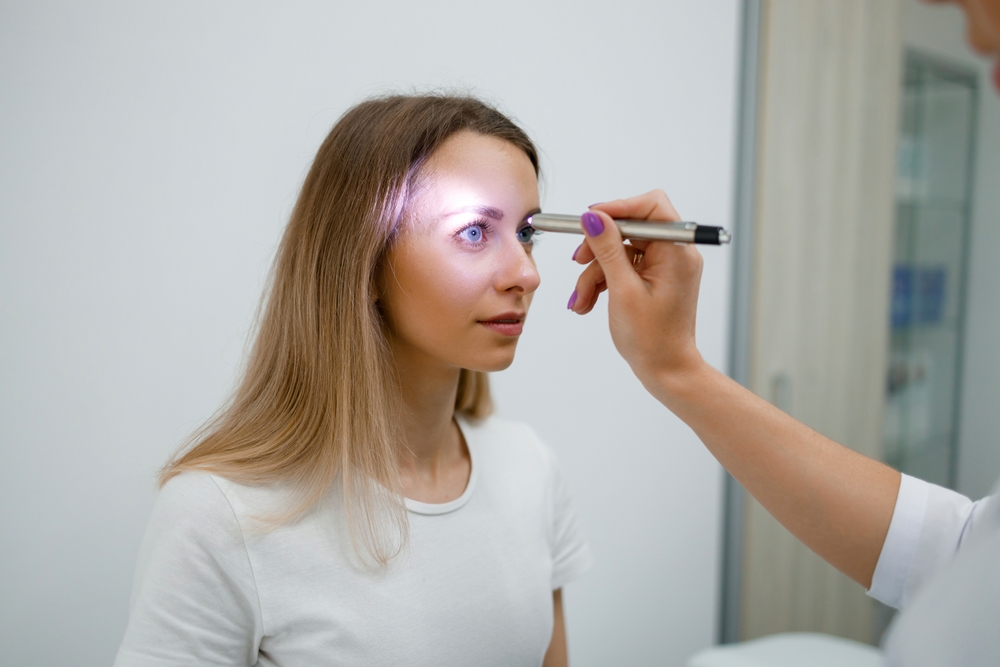
General Medical Eye Exams
If you’ve had a vision screening recently, you might say, “My vision is fine! I don’t need a comprehensive eye exam.” But a vision screening provides a limited perspective on the overall health of your eyes.
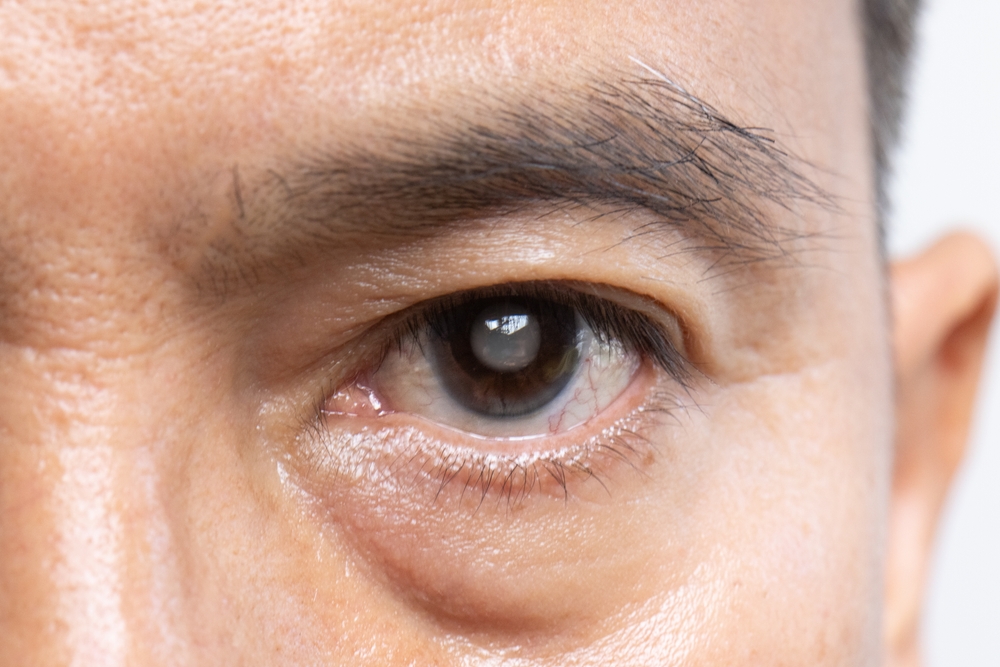
Cataract Evaluations
Cataracts are a natural clouding of the eye's lens that develops gradually with age, often leading to blurry vision, glare, difficulty seeing at night, and colors that appear faded.

Medical Eye Care
Medical eye exams are comprehensive evaluations of the health and function of the eyes, essential for maintaining optimal vision and preventing potential eye conditions. Regular medical eye exams are fundamental for proactive eye health management and ensuring ongoing visual wellness

Contact Lens Services
If you’ve never worn contact lenses before, it can seem a bit intimidating. After all, you’re inserting something into your eye! Let’s ease your mind about the first step – your contact lens exam.

Urgent Ocular Health Evaluations
Urgent eye care encompasses prompt evaluation and treatment of sudden or severe eye-related issues, including foreign object removal, chemical exposure, corneal abrasions, sudden vision loss, eye trauma, acute glaucoma, chemical burns, and eye infections. Seeking immediate professional attention from an optometrist is vital to prevent further damage and preserve vision.
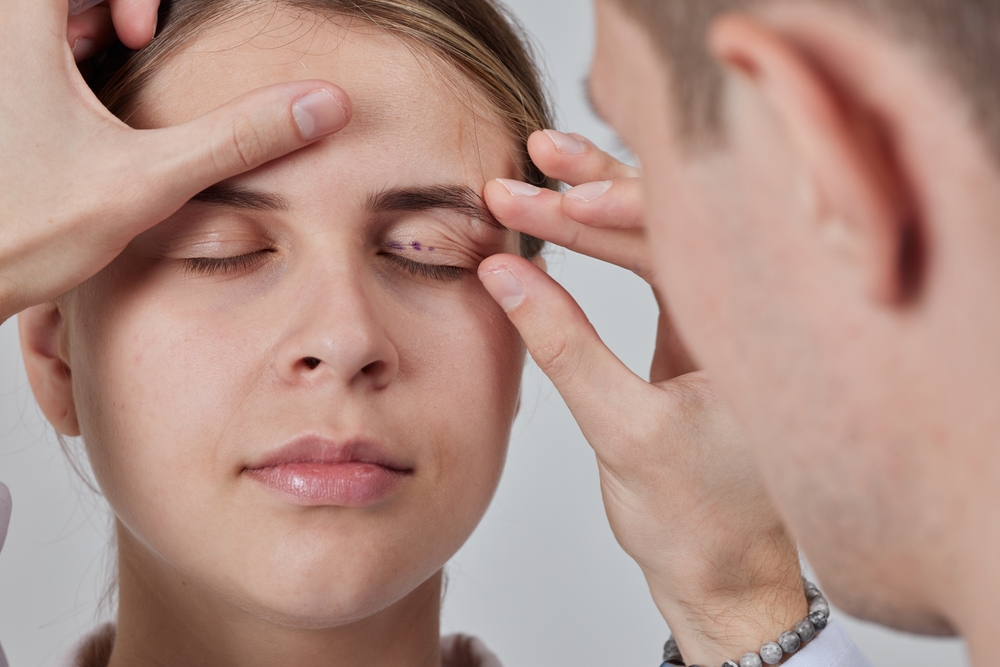
Blepharoplasty
Blepharoplasty is a surgical procedure that removes excess skin and, when needed, fat from the upper and/or lower eyelids. Over time, the eyelid skin can stretch and sag, sometimes to the point of drooping into the field of vision.
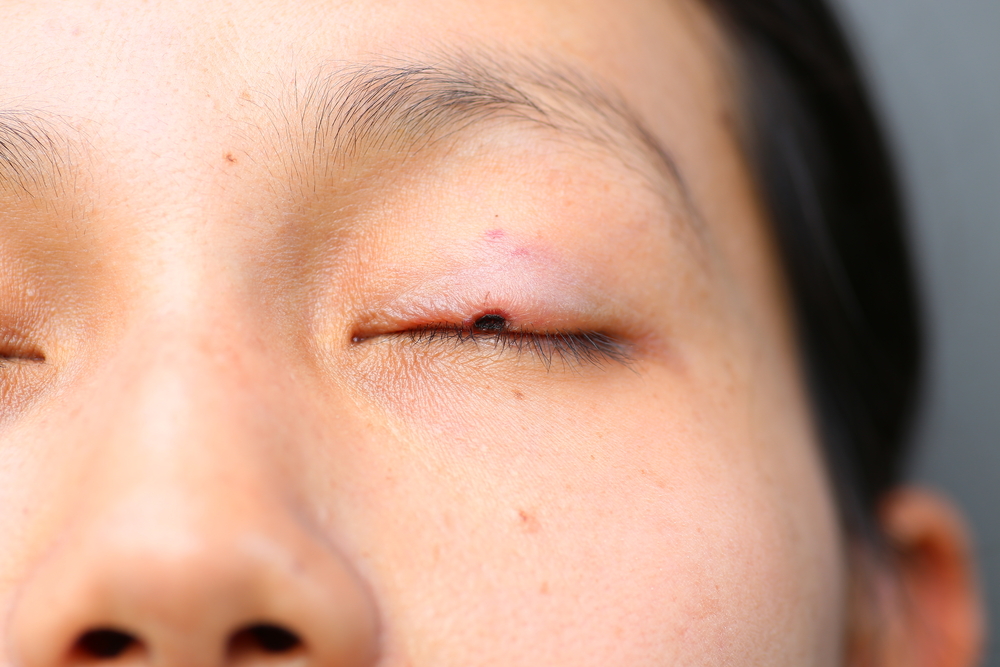
Lid Lesion Removals
Growths on or around the eyelid — including cysts, styes, papillomas, and other benign or suspicious lesions — can be uncomfortable, cosmetically bothersome, or occasionally concerning for their underlying cause.
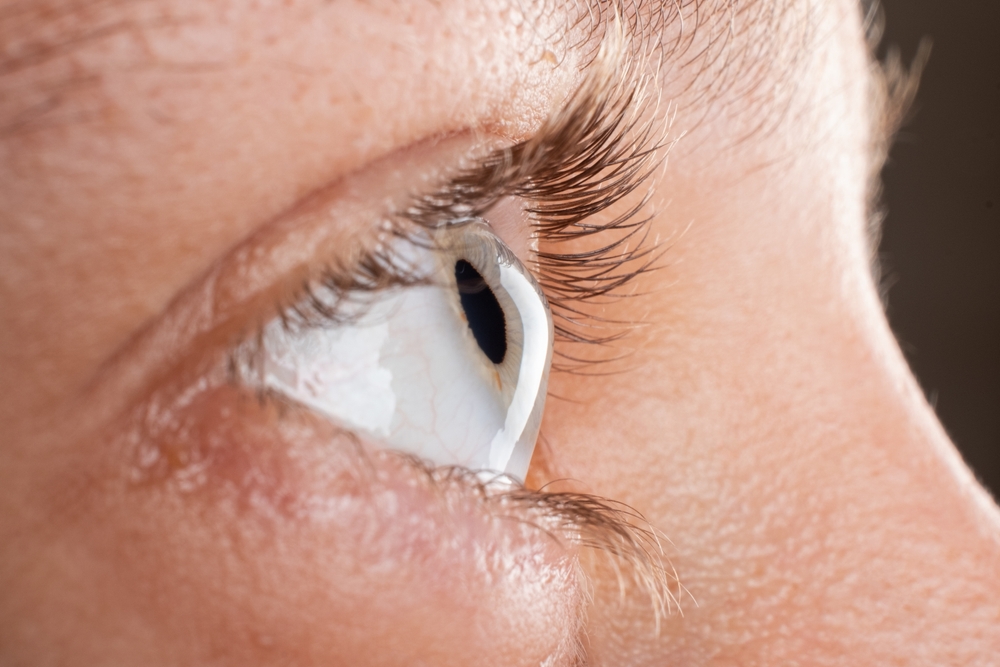
Corneal Cross-Linking (Epi-On / EpiOXA)
Corneal cross-linking is a treatment for keratoconus and other corneal ectatic disorders — conditions in which the cornea progressively thins and bulges, distorting vision.
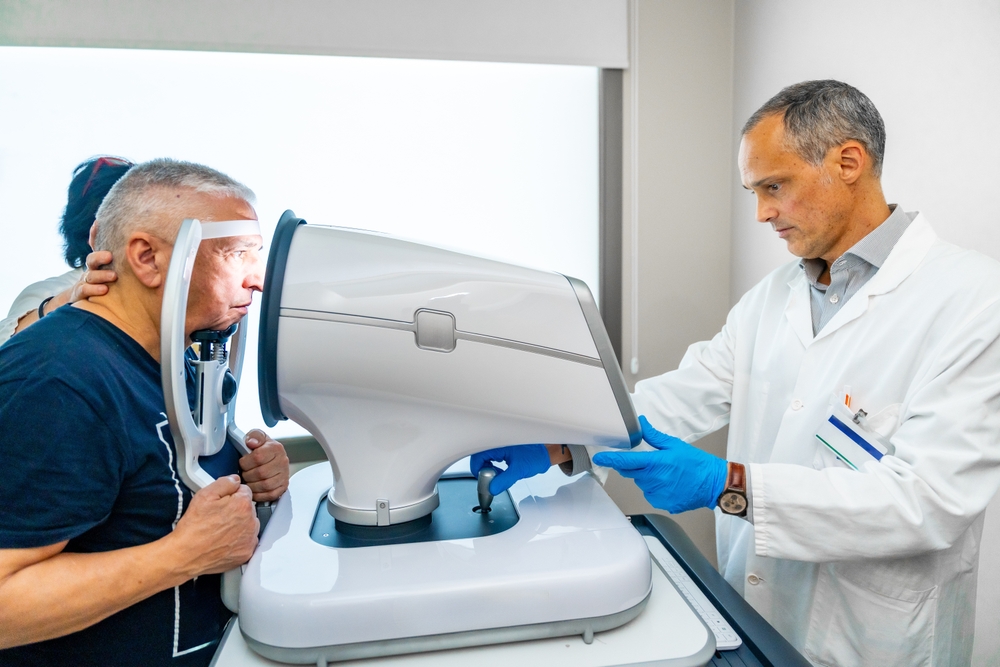
Glaucoma Evaluations
Glaucoma is a group of conditions that damage the optic nerve, often gradually and without noticeable symptoms until significant vision loss has already occurred.
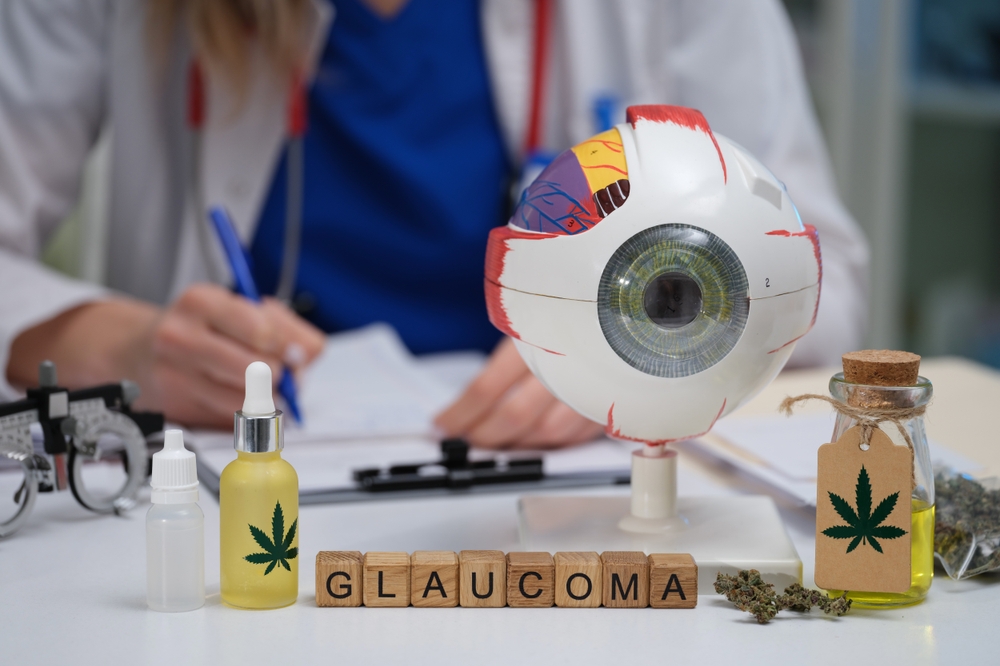
Glaucoma Treatment
Once glaucoma is diagnosed, the primary goal of treatment is to lower eye pressure and slow or stop further damage to the optic nerve, since vision already lost to glaucoma cannot be restored.
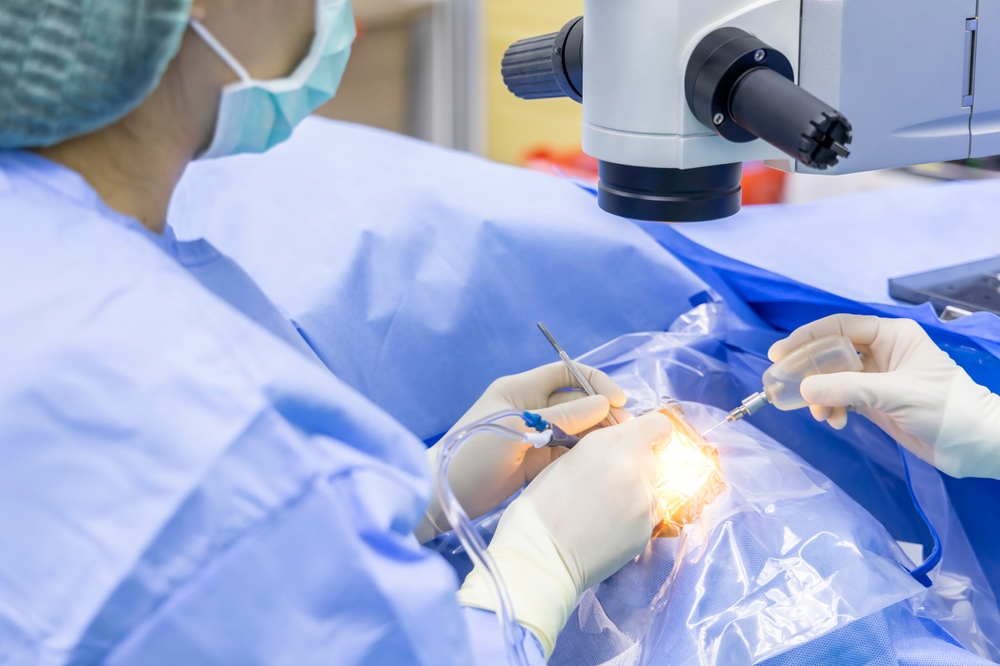
Glaucoma Surgeries
For patients whose glaucoma isn't adequately controlled with eye drops alone, or who have difficulty with drop adherence or tolerability, we offer a range of surgical and procedural options tailored to the type and severity of disease.
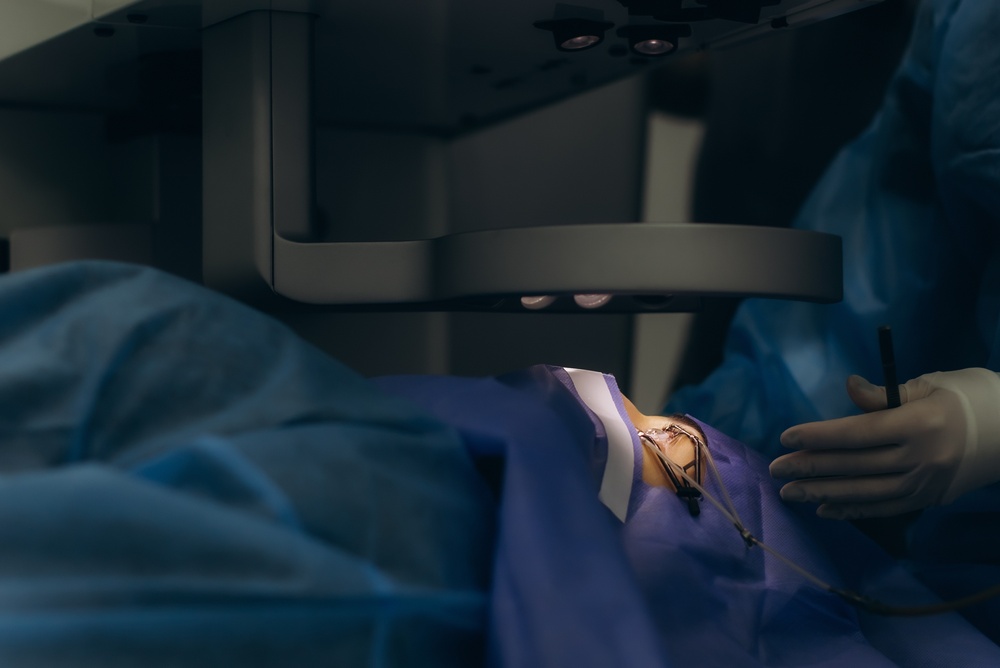
Refractive Surgery
For patients looking to reduce or eliminate their dependence on glasses and contact lenses, we offer several proven approaches to vision correction.
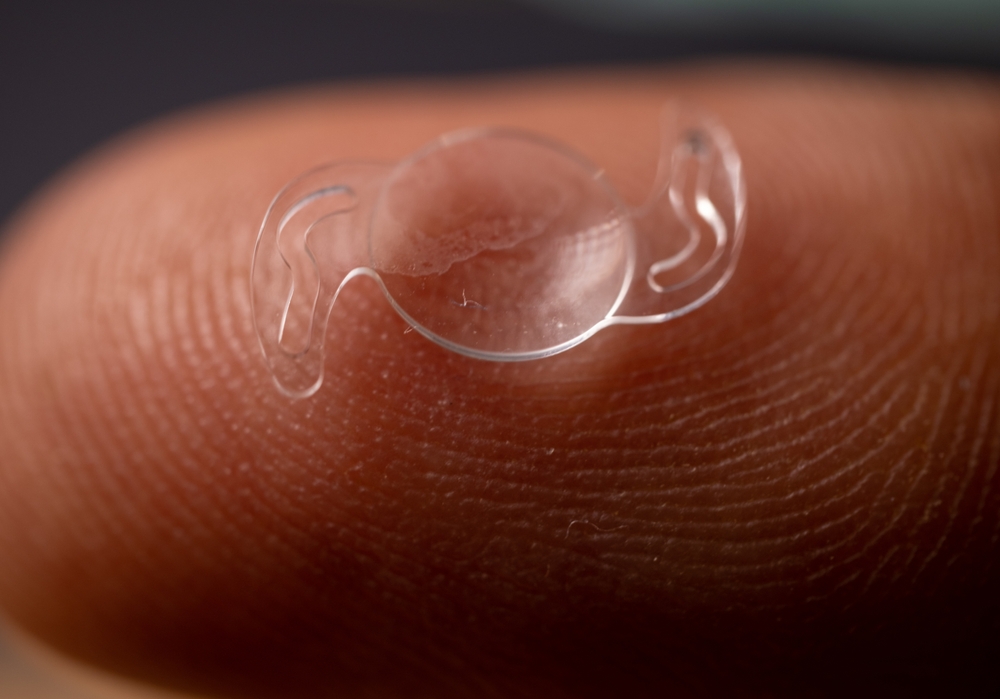
Refractive Lens Exchange (RLE)
Refractive lens exchange replaces your eye's natural lens with an advanced intraocular lens (IOL), correcting your vision and, for many patients, significantly reducing or eliminating the need for reading glasses.

Emergency Care
Sudden vision changes, eye pain, injury, infection, or flashes and floaters can signal conditions that require prompt attention to protect your vision. Our clinic is equipped to evaluate and manage these time-sensitive concerns, using the same advanced diagnostic imaging available for routine visits to quickly identify the cause.

Dry Eye Treatment
Chronic dry eye disease can cause persistent irritation, burning, fluctuating vision, and discomfort with contact lens wear or extended screen use. Because dry eye has several underlying causes — from insufficient tear production to poor tear quality or inflammation — effective treatment starts with identifying what's driving your symptoms.

Contact Info
Hours of Operation
Sherwood Location
- Monday 8:00am - 5:00pm
- Tuesday 8:00am - 5:00pm
- Wednesday 8:00am - 5:00pm
- Thursday 8:00am - 5:00pm
- Friday Closed
- Saturday Closed
- Sunday Closed
Tigard Location
- Monday 8:00am - 5:00pm
- Tuesday 8:00am - 5:00pm
- Wednesday 8:00am - 5:00pm
- Thursday 8:00am - 5:00pm
- Friday 8:00am - 5:00pm
- Saturday By appointment only
- Sunday Closed
© 2026 Bridgeport Eye Physicians. All rights Reserved. Accessibility Statement - Privacy Policy - Sitemap
Powered by:
